

Испитивање отпада
У оквиру рада Лабораторије за воде, земљиште и отпад, испитивање отпада представља један од кључних сегмената активности усмјерених на заштиту животне средине и одрживо управљање отпадом. Испитивање се спроводи у складу са важећим националним и међународним стандардима, користећи савремену опрему и акредитоване методе које осигуравају прецизност и поузданост резултата.
Шта испитујемо?
Лабораторија врши физичко-хемијске и токсиколошке анализе различитих врста отпада, укључујући:
- Чврсти отпад (комунални, индустријски, опасни отпад).
- Течни отпад (отпадне воде из индустрије и домаћинстава).
- Опасни отпад (садржи тешке метале, органске загађиваче и друге опасне материје).
Циљ испитивања
Испитивање отпада има за циљ:
- Класификацију отпада – Одређивање врсте и карактеристика отпада ради правилног управљања и третмана.
- Процјену токсичности – Испитивање присуства опасних материја, као што су тешки метали (олово, кадмијум, жива, никал), органске загађујуће материје (PCB, PAH) и други штетни агенси.
- Евалуацију еколошког утицаја – Утврђивање потенцијалних ризика по животну средину и здравље људи.
- Подршку у поступцима санације – Обезбјеђивање података за избор одговарајућих метода третмана и одлагања.
Шта испитујемо?
1. Хемијски састав отпада:
- Садржај тешких метала (олово, жива, кадмијум, арсен и др.).
- Присуство органских загађујућих материја (PCB, PAH, органохлорни пестициди).
- Ниво органског угљеника (TOC) и хемијска потрошња кисеоника (COD).
2. Физичко-хемијске карактеристике:
- pH, електропроводљивост и влажност.
- Густина и садржај суве материје.
3. Екотоксиколошка анализа:
- Испитивање токсичности отпада на водене организме (нпр. Dafnia magna).
Примјена резултата
Резултати испитивања отпада користе се за:
- Класификацију отпада у складу са регулаторним захтјевима.
- Израду планова за управљање отпадом.
- Одабир метода третмана, рециклаже или одлагања отпада.
- Процјену ризика и предузимање мјера заштите животне средине.
Опрема и технике на којим са врше анализе су:
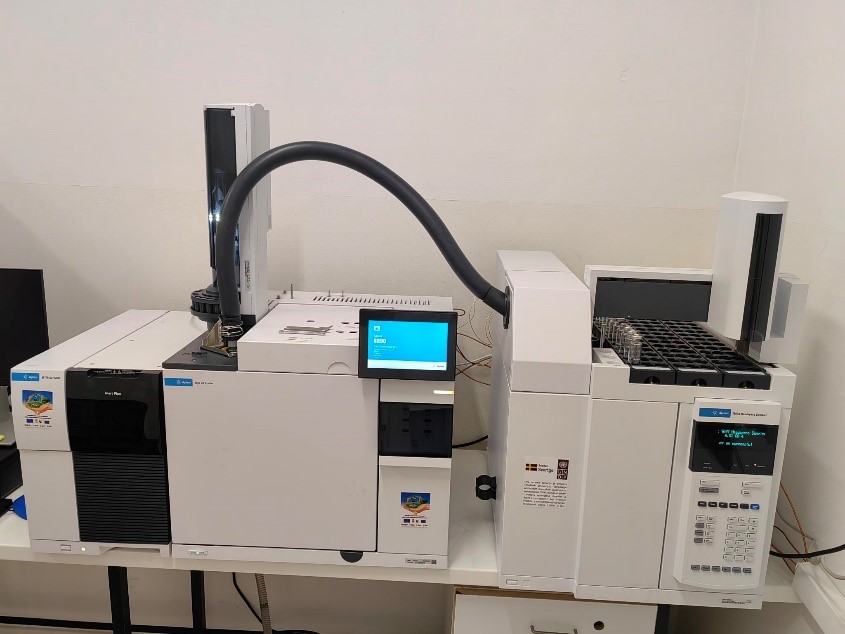
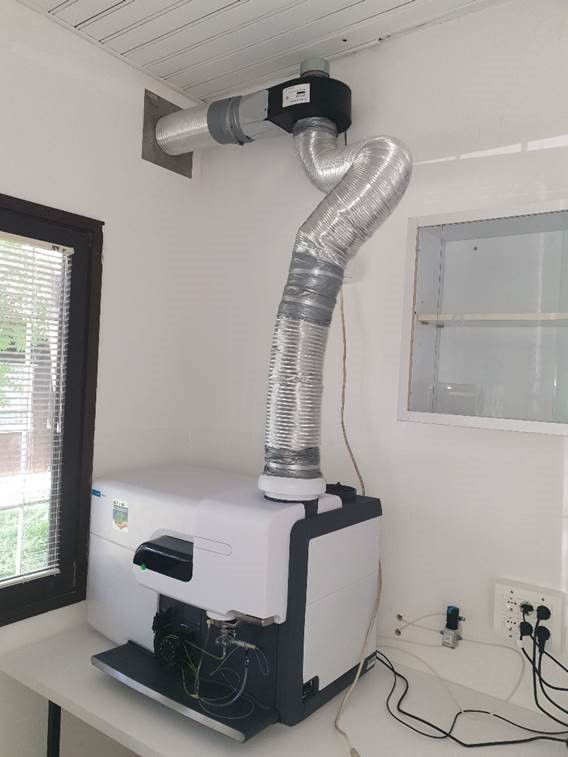
- Agilent Technologies MP-AES – за анализу метала.
- Agilent Technologies GC-MS/MS и GC FID – за детекцију органских загађујућих материја.
- Shimadzu UV-VIS спектрофотометар – за хемијске анализе.
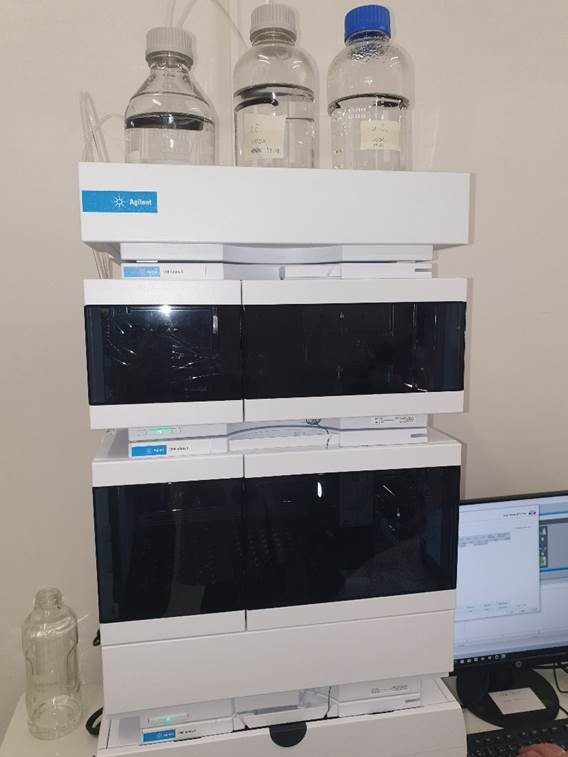
- Agilent Technologies HPLC – за испитивање органских супстанци.
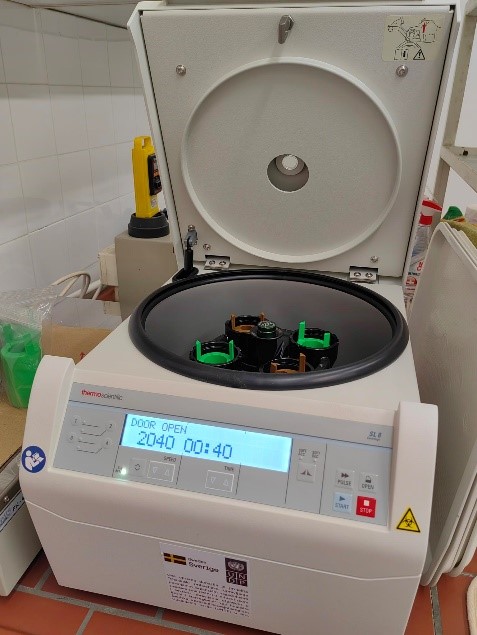
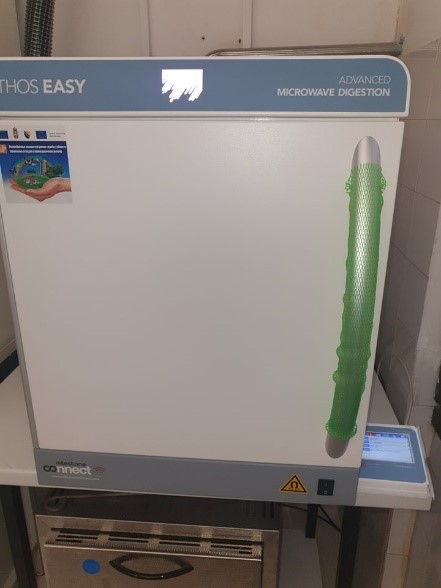
- Milestone Ethos Easy микроталасне пећи – за дигестију и екстракцију узорака.
Наша посвећеност
Лабораторија за воде, земљиште и отпад је поуздан партнер у пружању стручних услуга за испитивање отпада. Захваљујући врхунској опреми и високо квалификованом особљу, гарантујемо прецизност резултата који доприносе одрживом управљању отпадом и заштити животне средине. Ваше повјерење је наша одговорност!